
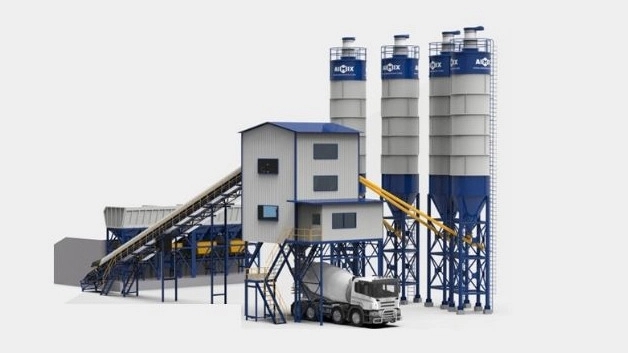
Batching plants, which are made of steel, especially stainless steel and carbon steel, are an ideal choice for these devices due to their unique characteristics such as rust resistance, strength and durability in harsh working conditions. Currently, the price of steel can have a great impact on the production and construction costs of batching plants. In addition to steel, in some parts of these devices, other materials such as aluminum (to reduce weight in some components), plastic or composites (for parts that need insulation or resistance to chemicals) are also used. In general, the main structure of batching plants is made of steel, which provides the necessary capabilities to withstand load and pressure. Batching plants play a vital role in the construction industry as one of the main equipments in the production of ready-mixed concrete. These machines, usually made of steel, are designed to produce high-quality concrete and optimize the manufacturing process due to their strength, durability and resistance to harsh conditions.
Batching Plant (Batching Concrete Plant)
In some cases, batching plants are used temporarily in projects rather than permanently installed. In this situation, the device is placed strategically near the concrete pouring place. The purpose of this work is to optimize the use of time and space, facilitate access to mixed concrete and prevent any delays in the construction process. Each batching plant requires a mixer to mix materials, water, cement and other additives. has The dimensions of the mixer are determined based on the specific needs of the project. In addition to the mixer, each batching plant has a material weighing feeder, which is used for accurate storage and weighing of materials. This system provides the possibility of producing strong and structurally sound concrete in accordance with construction standards.
Benefits of Batching Plant
High efficiency: Batching plant simplifies the concrete production process and ensures consistent quality while reducing labor requirements.
Savings In cost: By optimizing the use of materials and reducing waste, batching plants help save costs.
Exact quality control:< /b> this The devices allow precise control of the mixture ratio of materials, which results in the production of quality and uniform concrete.
Convenient accessibility: Temporary batching plants installed near construction sites. , facilitate quick access to freshly mixed concrete.
Concrete
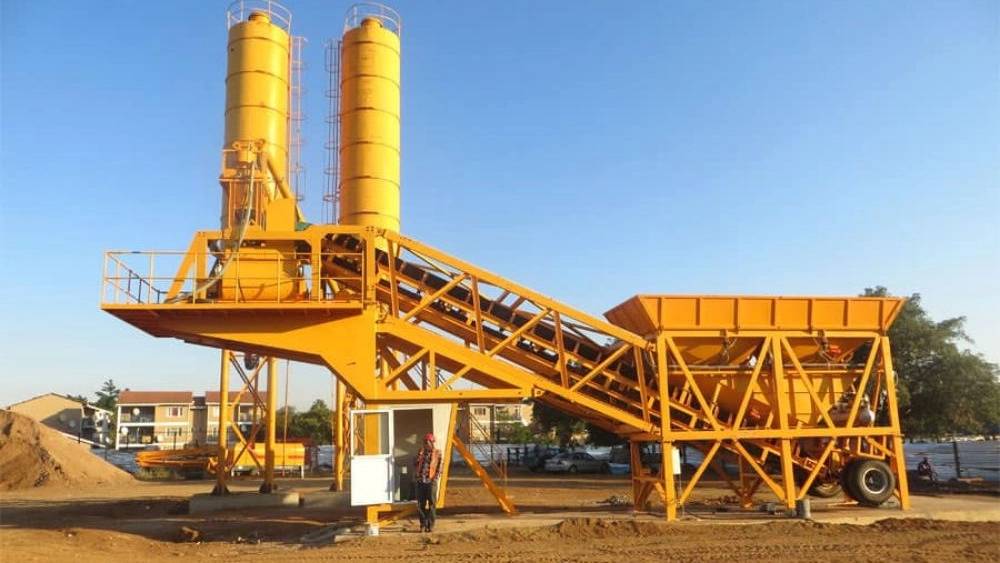
▪️Feeder or sand tanks: Necessary materials are stored separately in these tanks. These tanks usually consist of three to six houses.
▪️Operator's room: All control operations, including valve adjustment and material weight, are performed by the operator in this area.
▪️Cement transfer spirals: They are responsible for transferring cement from the silos to the cement scale.
▪️Water meter: This device measures the volume of water needed in each batch
▪️sand scale: is responsible for measuring and transferring sand to the mixer. Sand and water are done in this device. Cement weighing machine: Cement is stored in silos and placed in separate sections based on its type. Silos Cement: Cement is stored in these silos and their number varies depending on the needs of the concrete station. It will be.
Plant Batching Equipment
- منبع و کنتور آب
- مخزن شن و ماسه (فیدر)
- اسکرو
- باسکول
- دیگ میکسر
- نوار انتقال مصالح
- اتاق اپراتور